Analyzing Thresholds of Variance in Blended Draw and Stud Poker Formats at Regulated Venues
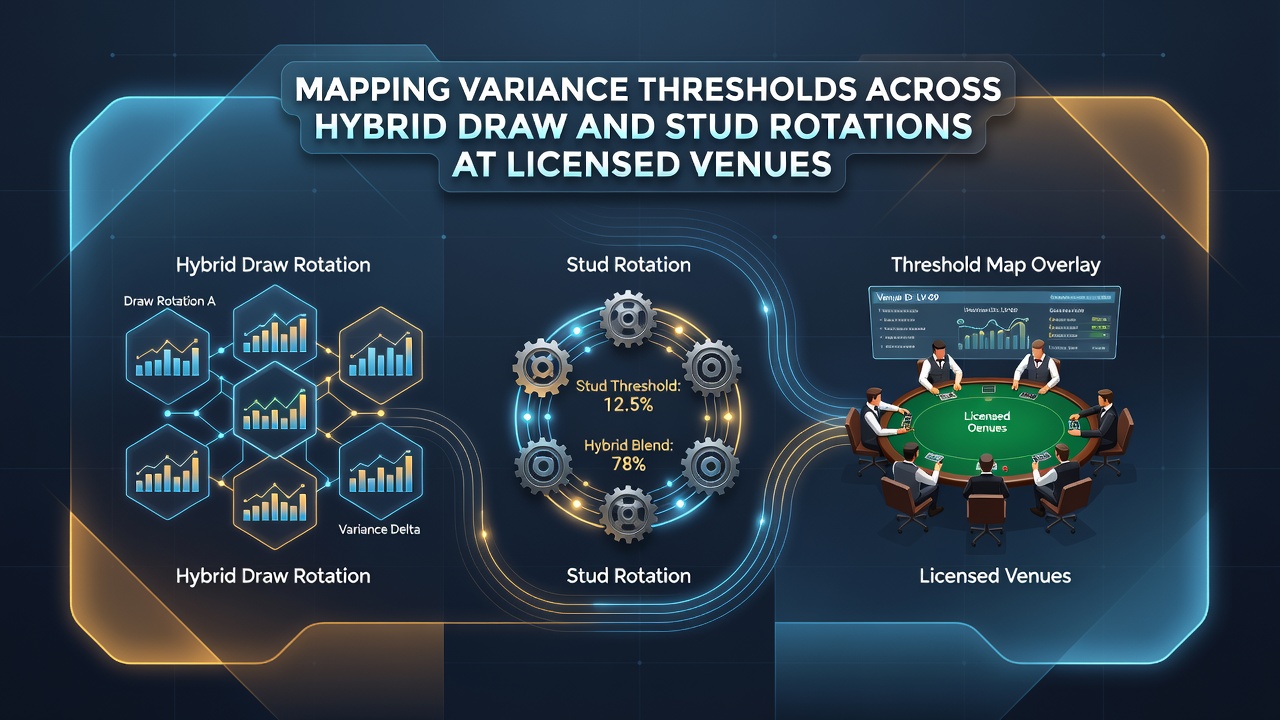
Hybrid draw and stud rotations combine elements from seven-card stud and draw poker into structured sequences at licensed venues, creating distinct variance patterns that operators track through detailed session data, and these patterns shift based on rotation speed, player count, and rule variations enforced by state regulators.
Defining Variance in Hybrid Poker Structures
Researchers track variance through metrics such as standard deviation of hourly outcomes and bankroll swing percentages, with data from Nevada Gaming Control Board reports indicating that hybrid formats often produce standard deviations ranging from 18 to 32 big bets per hour depending on the specific mix of draw rounds and stud streets in play, while Australian research centers have documented similar ranges in multi-state venue audits completed during early 2026.
Blended rotations typically alternate between five-card draw segments and stud phases that include upcards and downcards, which alters equity realization rates compared to pure draw or pure stud games, and observers note that this alternation compresses or expands variance thresholds based on how frequently the game switches mechanics mid-session.
Mapping Thresholds Across Licensed Venues
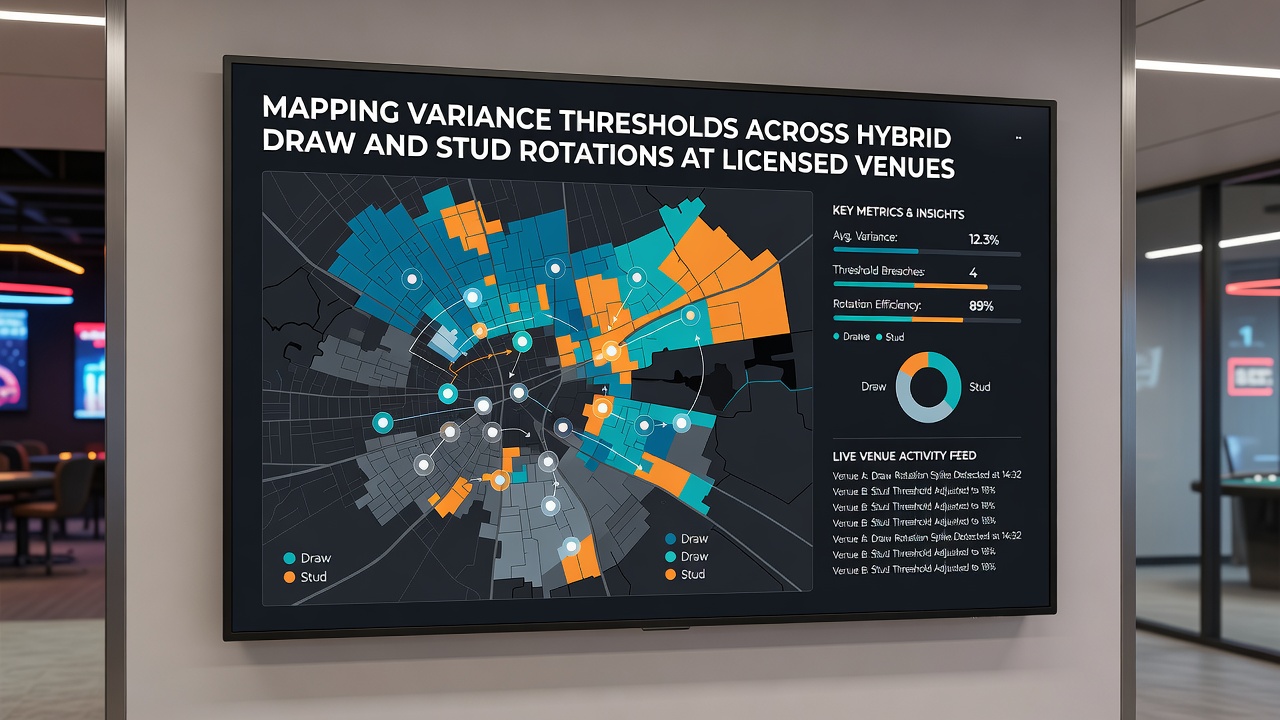
Operators at facilities in multiple jurisdictions compile variance maps by logging thousands of hands across different rotation schedules, with figures from Canadian provincial gaming authorities revealing that venues using four-draw to three-stud rotations experience higher peak variance during the transition hands, whereas those favoring longer stud segments see steadier but lower overall swings, and these maps help floor staff adjust table minimums accordingly.
One study released in July 2026 by a university-affiliated gaming lab examined 47 licensed cardrooms across three regions and found that variance thresholds crossed notable inflection points when rotation cycles dropped below six hands per switch, leading to measurable increases in session-ending bankroll volatility for players holding fixed stakes.
Factors Influencing Variance Levels
Deck penetration rates, betting structure limits, and the number of active players per rotation all interact to set variance boundaries, while data compiled by the New Jersey Division of Gaming Enforcement shows that shorter draw phases paired with full seven-card stud completions tend to elevate variance more than balanced alternations because hidden cards create larger information gaps during betting rounds.
Those who have reviewed session logs from regulated establishments point out that seating order relative to the button also modulates realized variance, since players acting later in stud phases gain additional information that can dampen swing magnitude even when the overall rotation maintains high theoretical variance.
Practical Applications at Cardrooms
Venue managers apply these mapped thresholds when setting game rotation policies and promotional structures, and examples from California cardrooms operating under current rules demonstrate how adjusting the draw-to-stud ratio by a single hand can shift average session variance by up to 14 percent according to internal tracking systems shared with state compliance offices.
Industry reports from European gaming associations further indicate that real-time variance monitoring tools now integrate with table management software at several licensed sites, allowing staff to identify when a rotation sequence has entered elevated volatility zones and to communicate those observations to players through standard floor announcements.
Conclusion
Comprehensive mapping of variance thresholds in hybrid draw and stud rotations provides licensed venues with actionable data for maintaining game integrity and player experience across jurisdictions, while ongoing collection efforts through regulatory channels and academic partnerships continue to refine these models as new rotation formats gain approval in additional markets during 2026 and beyond.