California Cardrooms Brace for Revenue Hit as New Blackjack Rules Kick In April 2026
California Cardrooms Brace for Revenue Hit as New Blackjack Rules Kick In April 2026

The New Regulations at a Glance
California Attorney General Rob Bonta approved a set of regulations in February 2026 targeting blackjack-style games and third-party player-dealer operations in the state's cardrooms, with those rules set to take effect on April 1, 2026; this move stems directly from long-standing tensions over gaming rights, particularly those carved out for tribal casinos under Proposition 1A passed back in 2000. Cardrooms, which have operated for decades as hubs for games like Texas Hold'em and California blackjack variants, now face restrictions that eliminate certain house-banked games and the player-dealer model, where participants rotate into dealer roles for a fee. According to details in the Text-of-Adopted-Regulations-Blackjack-Final.pdf, these changes aim to enforce parity with tribal-exclusive games, closing loopholes that cardrooms exploited through third-party facilitators.
But here's the thing: cardrooms never offered straight-up blackjack like Vegas joints do; instead, players have used proxies or rotated dealer duties, a setup that's now getting the axe. Observers note how this shift disrupts a multi-billion-dollar industry overnight, forcing operators to rethink everything from table layouts to staffing. Cities hosting these venues, from the LA suburbs to the Bay Area, scramble as revenue projections plummet; take Commerce, for instance, where the Hustler Casino pumps millions into local coffers annually through taxes and fees.
Cities Sound the Alarm on Fiscal Emergencies
Commerce and Bell Gardens, home to some of the largest cardrooms like teh Commerce Casino and The Gardens Casino, declared fiscal emergencies in early 2026, citing potential shortfalls that could reach tens of millions; data from city councils shows Commerce alone anticipates losing up to $50 million yearly, while Bell Gardens pegs its hit at around $30 million, numbers that represent a huge chunk of their budgets since gaming taxes fund everything from public safety to infrastructure. Colma and San Jose echo these concerns, with officials projecting job losses in the thousands across housekeeping, security, and dealer positions; it's not just the tables going quiet, but the ripple effects hit bars, parking, and nearby businesses too.
And so, these municipalities push back hard: Commerce and Bell Gardens floated sales tax hikes for the June 2026 ballot, aiming to offset the void left by cardroom revenues that have sustained them for years. Figures reveal that in Commerce, gaming brought in over 40% of general fund dollars last fiscal year; without it, services face cuts, or taxes rise, putting the ball squarely in voters' court. San Jose's council meetings turned heated as councilmembers debated contingency plans, while Colma's leaders warned of layoffs numbering in the hundreds at its twin cardrooms.
What's interesting here lies in the timing: with enforcement looming just weeks away as of now, preparations intensify, from legal filings to public campaigns urging a rethink. Experts who've tracked California's gaming wars point out how tribal interests, backed by Proposition 1A's compact exclusivity for house-banked games like blackjack, lobbied heavily for these regs, seeing cardrooms as unfair competitors nibbling at their edges.
The Player-Dealer Model Under Fire
Central to the crackdown, third-party player-dealer operations allowed cardrooms to skirt direct banking by hiring outside firms to manage dealer rotations and collect fees, a workaround that's generated steady income but drawn tribal ire for mimicking casino-style play. Regulations now ban these setups outright for blackjack-style games, limiting cardrooms to player-banked poker and a few non-banked alternatives; the California Gaming Association, representing over 60 venues, calls this a death knell for profitability, since poker alone can't match the volume or margins of the old hybrid model.
Take one case from Capitol Weekly reporting: Commerce Casino, the world's largest by square footage, employs thousands and contributes massively to local taxes, yet stands to lose its blackjack tables that drew crowds nightly. Operators pivot toward more poker variants or even non-gaming events, but early estimates suggest attendance drops of 30-50%, based on similar past restrictions in other states. Those who've studied cardroom economics note how player-dealers kept games fluid and accessible, drawing casual players who shunned pure poker; without them, the vibe shifts, and so do the crowds.
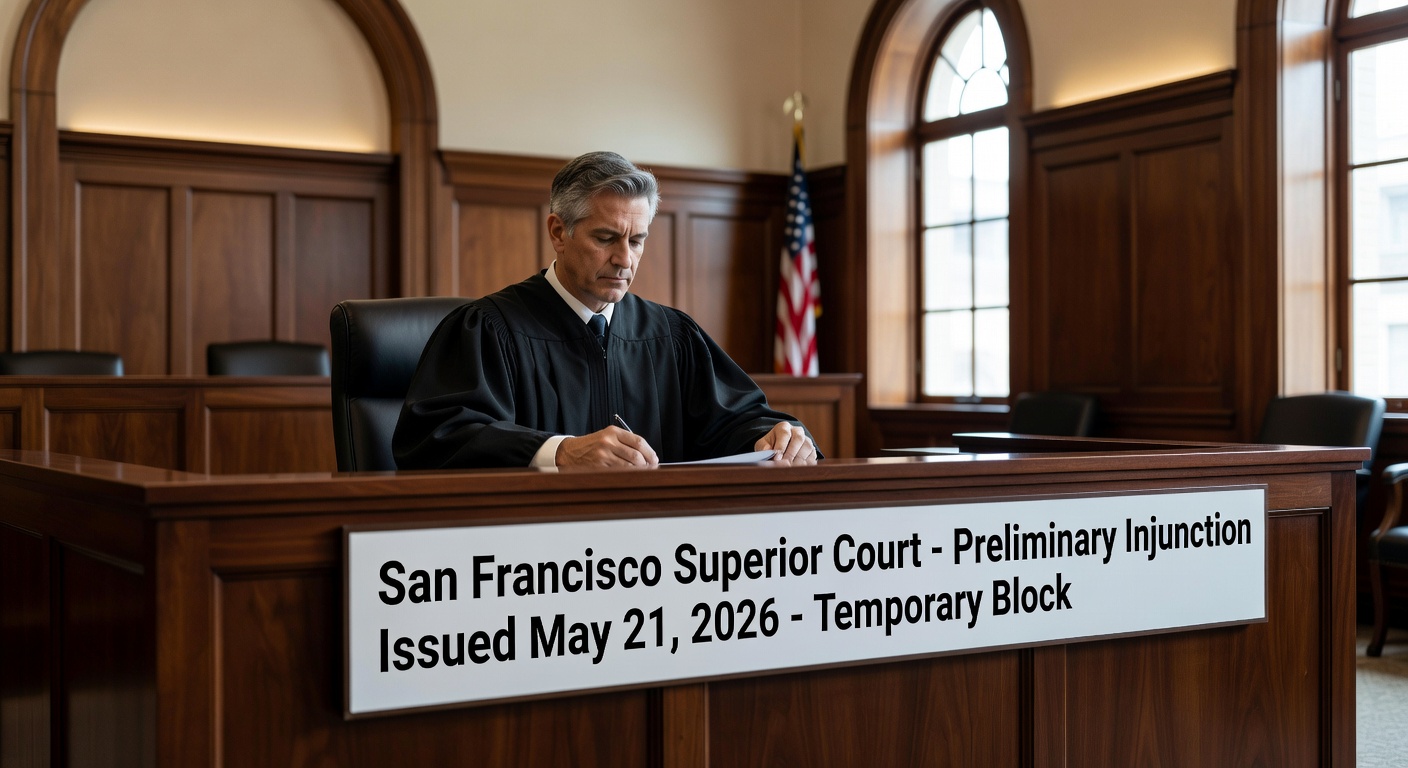
Yet resistance brews: the California Gaming Association filed lawsuits in March 2026 challenging the regs' legality, arguing they overstep into legislative turf and violate cardroom licensing statutes dating back decades. Court battles could delay April 1 enforcement, buying time as appeals climb through Sacramento's judiciary; meanwhile, cardrooms stockpile legal teams and rally lawmakers, framing it as a local revenue killer amid California's budget woes.
Economic Ripples and Job Losses Loom Large
Beyond city halls, the human cost mounts: San Jose's Bay 101 and Lucky Chances in Colma support over 2,000 direct jobs, per association data, with indirect employment in suppliers and services pushing totals higher; layoffs loom if tables go dark, hitting communities already strained by tech layoffs and housing crunches. Bell Gardens, a working-class enclave, relies on The Gardens for 25% of its revenue, funding police and parks that might now face belts tightening sharply.
So cities adapt creatively: some propose hotel taxes or parking fees tied to gaming, others eye state aid, although Sacramento's response stays muted so far, tied up in tribal-cardroom turf wars. It's noteworthy that Proposition 1A, meant to settle gaming disputes, now fuels this fresh round, as tribes defend their monopoly on banked card games like 21 while cardrooms fight for survival. Observers who've followed the beat recall similar skirmishes in the 2010s, when bad-beat jackpots faced bans, but nothing this sweeping.
Now, as April 1 nears, cardrooms drill staff on compliant games, test new formats, and host town halls; one operator in Commerce shared how they've already cut hours, bracing for the worst while hoping lawsuits prevail. The reality is, this reshapes California's gaming map, tilting it further toward reservations and squeezing urban cardrooms that built empires on clever rule-bending.
Looking Ahead: Lawsuits, Ballots, and Enforcement
The California Gaming Association's March suits target the Attorney General's office directly, seeking injunctions to halt the regs; legal experts predict drawn-out fights, potentially reaching state appeals courts by summer 2026, with federal angles if compacts get invoked. Cities, meanwhile, gear up for June ballots where sales tax bumps could pass or fail, hinging on voter turnout and messaging around lost jobs.
But turns out, some cardrooms explore hybrids like "no-bank" blackjack or skill-based alternatives, though regulators scrutinize every pitch; the Office of the Attorney General's gambling regulations page outlines compliance paths, but ambiguity lingers. People in the industry often discover that adaptation beats surrender, yet the short-term pain feels acute, with April 1 marking a pivot point.
Conclusion
These February 2026 regulations, effective April 1, strike at the heart of California cardrooms' blackjack operations and player-dealer systems, sparking fiscal emergencies in Commerce, Bell Gardens, Colma, and San Jose; revenue shortfalls loom large, job losses threaten thousands, and countermeasures like tax hikes and lawsuits fill the air. Backed by tribal rights under Proposition 1A, the changes enforce a stricter divide, but legal challenges and city pushes keep the outcome fluid. As enforcement dawns, the state's gaming landscape hangs in balance, with cardrooms fighting to endure while cities hustle for fiscal footing; the next months will tell if regs stick or bend under pressure.