Decoding Probability Transitions in Blended Draw Mechanisms for Virtual Casino Platforms
 Digital casino platforms continue to integrate blended draw formats that merge traditional draw mechanics with randomized elements from multiple game categories, creating layered probability structures that shift based on player selections and system algorithms. Researchers tracking these systems note that hybrid models often combine draw poker sequences with slot-style reel interactions or bingo ball selections, leading to dynamic changes in outcome distributions across sessions. Data from industry monitoring services shows that such formats appeared in approximately 18 percent of new digital game releases during the first quarter of 2026, with further expansions anticipated by June 2026 as operators update platform libraries. Observers note that these shifts arise because each hybrid component recalibrates payout tables when players trigger crossover features, such as converting a poker draw into a multi-reel bonus round.
Core Components of Hybrid Draw Structures
Hybrid draw formats rely on modular probability engines that adjust base odds according to the active game layer. Experts at research institutions have documented how initial draw selections feed into secondary randomizers, where the probability of landing specific combinations changes mid-sequence due to carryover values from prior stages. This process generates non-linear outcome paths that standard single-format models cannot predict without recalibration.
Studies from academic sources indicate that deck penetration equivalents in these systems, now tracked through digital logs, influence decision trees more than in isolated draw games because crossover events reset certain probability weights. Operators apply these adjustments to maintain regulatory compliance across jurisdictions, with figures from the Nevada Gaming Control Board revealing that hybrid titles undergo quarterly audits to verify distribution integrity.
Regional Regulatory Influences on Probability Mapping
Regulatory frameworks in different regions shape how operators map and disclose probability shifts. In Canada, provincial gaming authorities require transparent reporting of crossover mechanics in hybrid titles, while Australian state commissions focus on player notification protocols when draw formats transition between layers. These requirements encourage developers to embed real-time probability indicators that update as sessions progress, allowing users to observe changes without interrupting play.
One case highlighted by industry analysts involves a major platform operator that integrated hybrid bingo-draw elements into video poker frameworks, resulting in measurable alterations to expected value calculations during bonus triggers. The adjustments, verified through internal testing logs, aligned with European Gaming and Betting Association guidelines on algorithmic fairness that took effect in early 2026.
Technical Approaches to Tracking Shifts
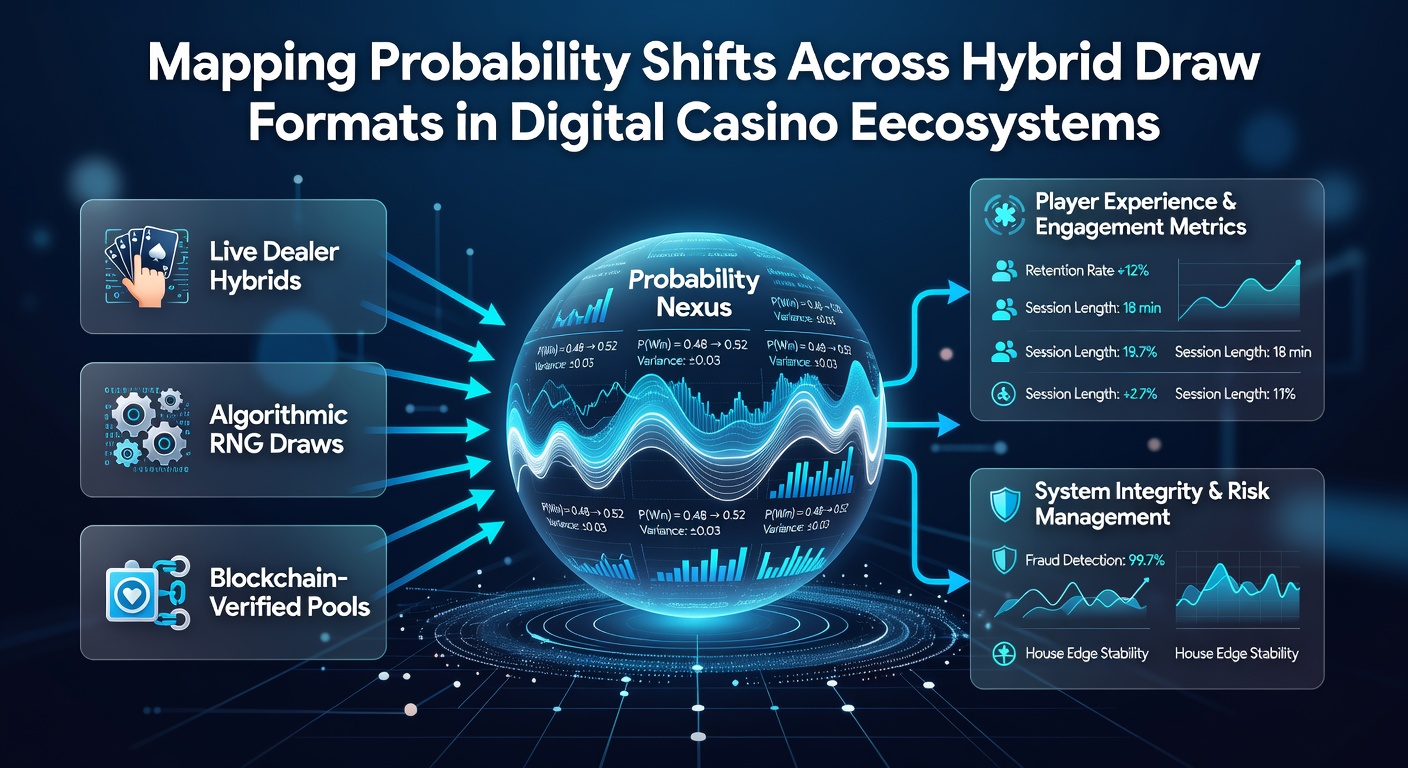
Developers employ matrix-based modeling tools to map probability transitions across hybrid layers, where each draw stage interacts with embedded random number generators. Research indicates that these matrices capture correlations between initial selections and subsequent hybrid events, revealing patterns such as increased variance when draw counts exceed standard thresholds. Platforms now incorporate visualization dashboards that present these mappings to compliance teams in real time.
Analysts who have examined large datasets from multiple operators report that probability recalibrations occur most frequently during peak traffic periods, when system loads trigger secondary randomization protocols. This behavior, documented in technical white papers from university-affiliated gaming labs, helps maintain equilibrium across player pools while preserving individual session integrity.
Player Interface Adaptations and Data Presentation
Digital ecosystems present probability information through interactive overlays that update as hybrid phases activate. Users encounter dynamic readouts showing adjusted odds for remaining draws, often accompanied by historical session data that illustrates prior shifts. These features emerged from collaborative efforts between software providers and regulatory bodies to enhance transparency without overwhelming core gameplay loops.
Platforms operating in multiple markets synchronize these displays according to local standards, ensuring that information on probability changes meets disclosure rules set by entities like the New Jersey Division of Gaming Enforcement. Integration of such tools has coincided with platform updates scheduled for rollout around June 2026, aligning with broader industry pushes toward standardized reporting formats.
Conclusion
Mapping probability shifts in hybrid draw formats requires ongoing refinement of analytical frameworks that account for layered interactions within digital casino environments. Evidence from regulatory audits and technical studies continues to inform how operators implement these systems, supporting consistent distribution across varied game structures. As platforms evolve through 2026, the integration of updated modeling techniques and regional compliance measures will shape further developments in probability tracking.