Decoding Subtle Effects of Ambient Noise Levels on Decision Accuracy in Poker Tournaments
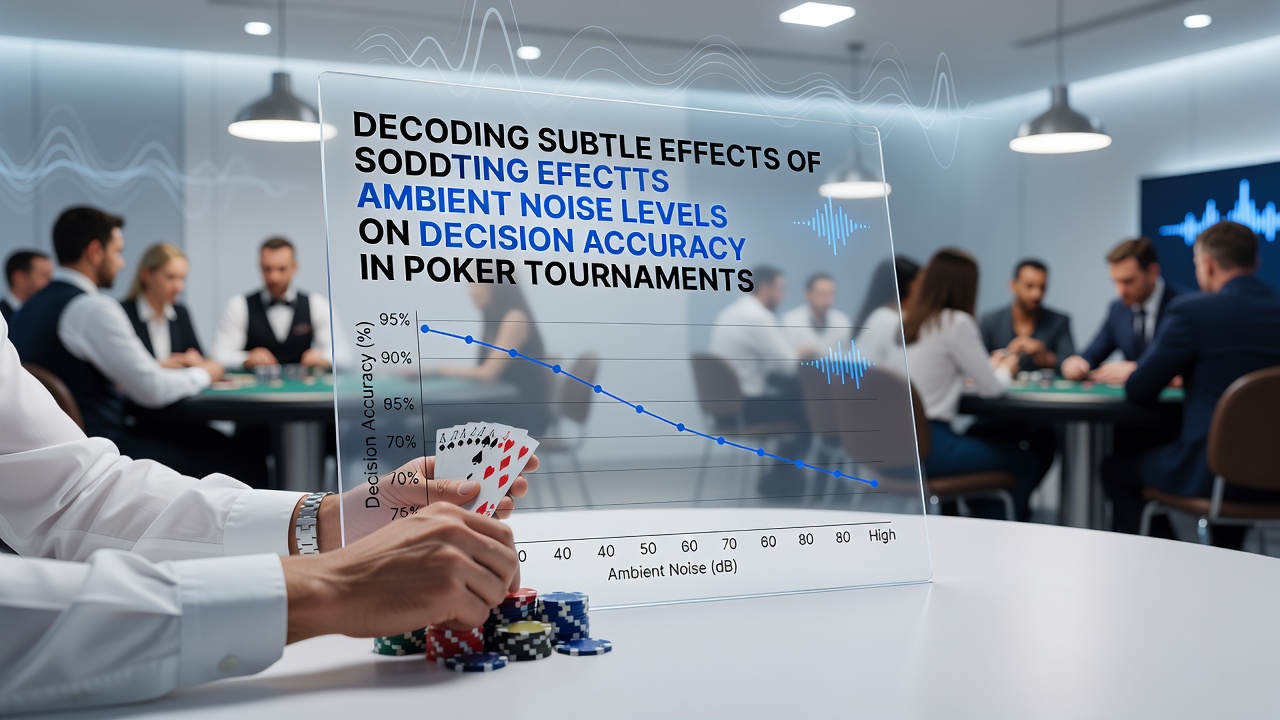 Researchers have examined how background sound levels shape choices at the tables, particularly when players face repeated high-stakes decisions across long sessions. Data collected from regulated venues shows that even modest increases in ambient noise correlate with shifts in accuracy rates for calls, folds, and bet sizing. Observers note these patterns emerge most clearly during multi-day events where cumulative exposure compounds. Ambient conditions in tournament rooms typically range from 65 to 85 decibels during peak play, produced by shuffling chips, dealer announcements, spectator conversations, and ventilation systems. Studies from academic institutions indicate that sustained exposure at these levels can influence auditory processing and working memory without participants realizing the effect. Those patterns hold across both cash games and structured tournaments, although the latter introduce additional variables such as escalating blinds and payout pressure.
Measurement Approaches Used in Gaming Environments
Equipment setups in recent field studies combine calibrated sound meters with wearable devices that track player biometrics and decision timestamps. Analysts log each action against real-time noise readings taken at 30-second intervals. This method allows researchers to isolate moments when sound spikes coincide with deviations from expected value calculations derived from hand histories.
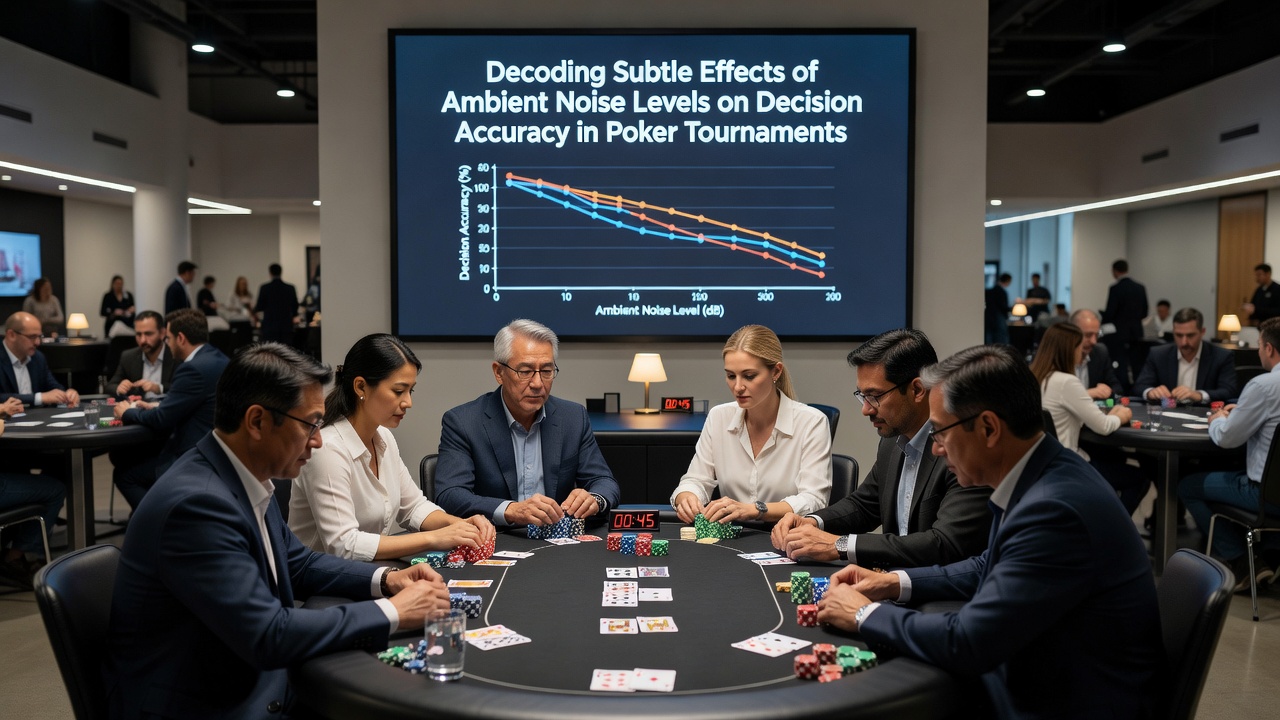
One investigation conducted at multiple North American cardrooms tracked over 12,000 decisions across 180 tournament hours. Results revealed a measurable drop in precision for marginal spots once ambient levels exceeded 78 decibels for periods longer than four minutes. The same dataset showed recovery in accuracy when noise dropped below that threshold for at least ninety seconds between hands.
Physiological Pathways Linking Sound to Choice Quality
Neuroimaging work performed at research centers in Australia and Canada demonstrates that elevated background noise activates the brain's stress response systems even when individuals report feeling comfortable. Cortisol markers rise modestly, while prefrontal cortex activity associated with probability assessment shows slight suppression. These changes appear reversible within minutes once quieter conditions return.
Players seated near railings or high-traffic walkways encounter more frequent interruptions. Data from European tournament series compiled by independent monitoring groups indicates these positions correlate with higher rates of time-bank usage and subsequent misplayed hands. The pattern persists after controlling for player skill ratings and stack sizes.
Practical Observations from Tournament Operations
Event organizers have begun experimenting with layout adjustments that reduce sound reflection. Strategic placement of acoustic panels behind dealer stations and staggered table spacing produced average drops of 4 to 6 decibels in pilot tests conducted ahead of the 2026 summer circuit. Participants in those modified rooms recorded fewer deviations from pre-session strategy plans compared with control groups in standard configurations.
July 2026 schedules include several large-field events where staff plan to implement continuous noise logging alongside traditional security feeds. Early reports from similar monitoring at Australian venues suggest the approach helps identify specific tables or time windows where intervention, such as brief announcements requesting lower spectator volume, yields immediate improvements in decision consistency.
Industry reports from the Nevada Gaming Control Board and parallel organizations in other jurisdictions document these environmental variables as part of broader responsible gaming frameworks. The information supports training modules that prepare dealers and floor staff to recognize when ambient conditions may warrant minor adjustments without disrupting play flow.
Variables That Interact with Noise Exposure
Individual differences in auditory sensitivity and prior exposure history influence outcomes. Players with extensive live tournament experience sometimes maintain baseline performance longer than those transitioning from online formats. Age-related changes in hearing thresholds also appear in aggregated datasets, although the effect sizes remain modest within typical playing populations.
Stack depth and remaining payout jumps introduce additional layers. When noise levels climb during critical bubble stages, the combined cognitive load shows stronger associations with accuracy shifts than either factor produces alone. Analysts tracking these interactions continue refining models that incorporate both acoustic readings and tournament structure parameters.
Conclusion
Evidence accumulated across multiple regulated markets points to measurable relationships between ambient sound and decision precision in tournament settings. Continued monitoring programs scheduled through 2026 and beyond will supply larger datasets that clarify optimal thresholds and effective mitigation techniques. Venues applying these insights report incremental gains in player satisfaction metrics alongside operational consistency.