Layered Approaches to Switching Between Draw and Stud Poker in Extended Sessions
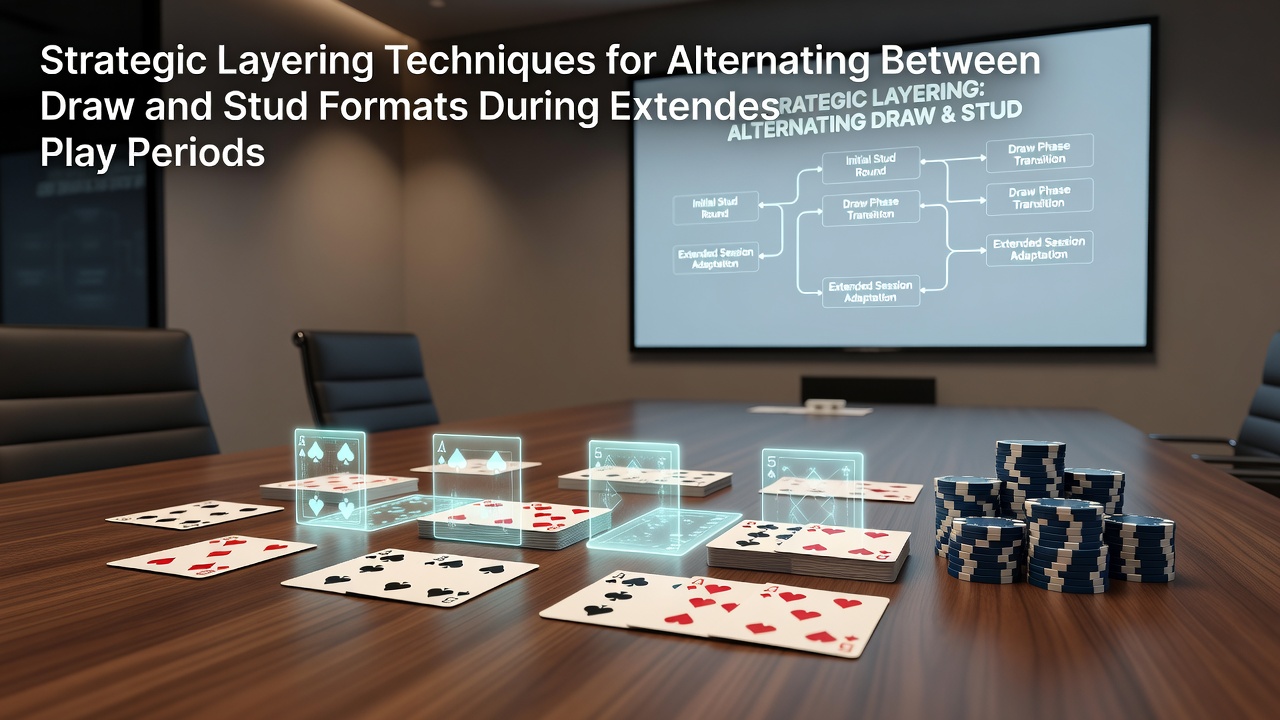
Strategic layering techniques focus on building adaptable frameworks that allow players to move between draw and stud formats without losing decision precision during long sessions, and these methods draw from established patterns observed in multi-format cash games and tournaments. Observers note that successful transitions depend on recognizing core differences in information flow, since draw poker conceals discards while stud reveals upcards progressively, creating distinct decision trees that require separate yet interconnected mental models.
Core Differences in Format Mechanics
Draw variants emphasize hidden information and post-draw equity realization, whereas stud formats layer visible cards that shape betting rounds across multiple streets, and data from regulated venues shows that players who prepare layered adjustments maintain higher consistency when alternating. Research indicates that deck composition awareness plays a larger role in draw play, while stud demands continuous tracking of exposed cards and folded hands that reduce the remaining deck possibilities.
Constructing Layered Mental Frameworks
Players construct initial layers by establishing baseline range assessments for each format separately before combining them into transition protocols, and this process involves mapping starting hand values across both structures using probability matrices that account for position and opponent tendencies. Those who've studied session logs find that a second layer incorporates real-time adjustments triggered by format switches, such as shifting from draw's implied odds calculations to stud's board texture evaluations within the same hour of play. A third layer adds fatigue monitoring, since extended periods increase error rates when mental models are not refreshed between format changes.
Implementation During Marathon Play Periods
Effective layering begins with scheduled micro-breaks that reset focus when moving from one format to another, and figures from cardroom reports reveal that structured rotation schedules reduce variance spikes associated with format fatigue. In practice, a player might review key hand histories from the prior format during these intervals, reinforcing the distinctions in betting patterns and equity calculations. What's interesting is how position-based adjustments transfer across formats when layered properly, because early position in draw requires tighter starting selections that parallel the caution needed in stud when multiple upcards are already visible.
Bankroll segmentation forms another practical layer, with separate allocations tracked for each format to prevent cross-contamination of loss limits, and this approach aligns with guidelines from the Nevada Gaming Control Board on responsible session management in extended play environments. As of July 2026, several California cardrooms have expanded mixed-format offerings, increasing demand for these transition techniques among frequent visitors.
Adjusting Hand Reading and Betting Layers
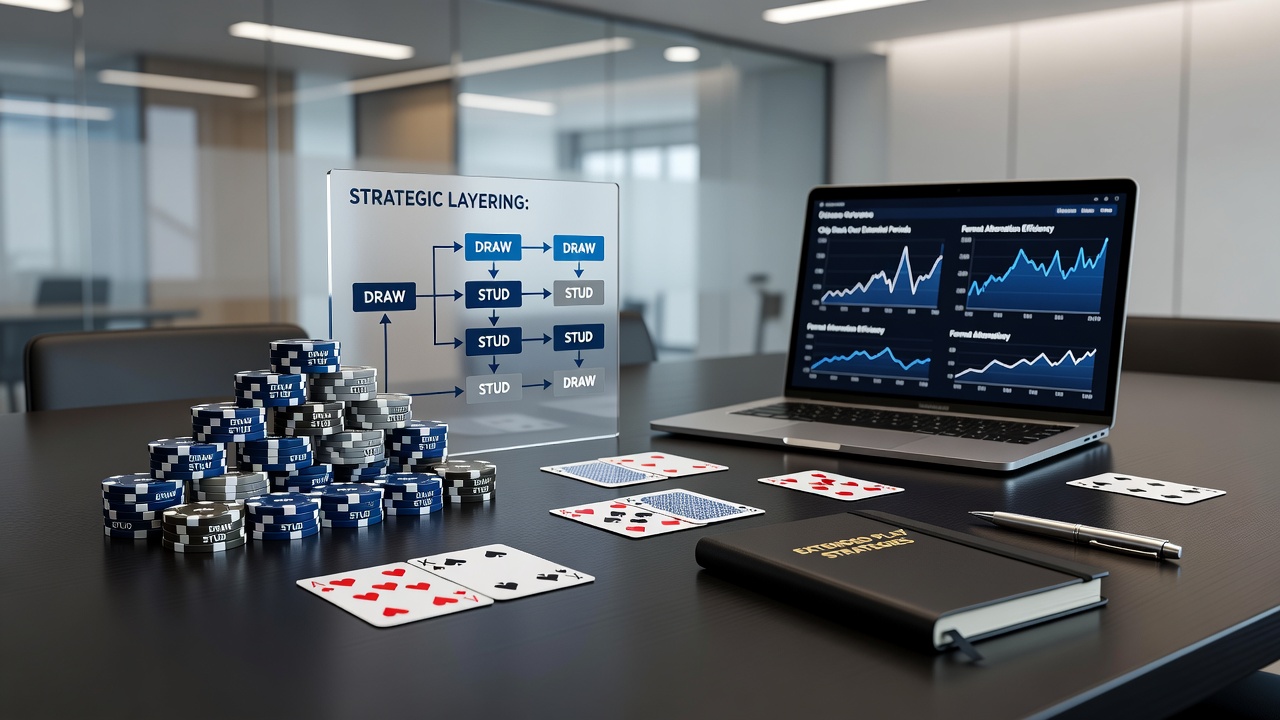
Hand reading layers evolve by maintaining parallel narratives for opponents in draw versus stud contexts, and researchers at the University of Alberta have documented how game-theoretic models improve when players practice switching between concealed and revealed information states. Betting layers require recalibration of aggression thresholds, since draw often rewards semi-bluffing on draws while stud benefits from value betting against capped ranges visible on the board. Observers note that combining these into a single layered system allows faster recovery when a session extends beyond four hours and format changes occur multiple times.
Monitoring and Refinement Protocols
Session tracking tools help refine layering techniques by logging decision points at each format switch, and this data supports iterative improvements in range construction and bet sizing. People who've applied these methods consistently report steadier performance across draw and stud rotations, particularly when physical and mental stamina layers are integrated with technical adjustments.
Conclusion
Strategic layering provides a structured path for maintaining decision quality when alternating draw and stud formats over extended periods, and the approach integrates mechanical differences, psychological factors, and session management into cohesive frameworks supported by available research and regulatory observations. Continued application of these techniques supports sustained play in environments where format variety continues to expand.