Monitoring Pattern Recognition Growth in Hybrid Stud and Point-Based Gaming Systems
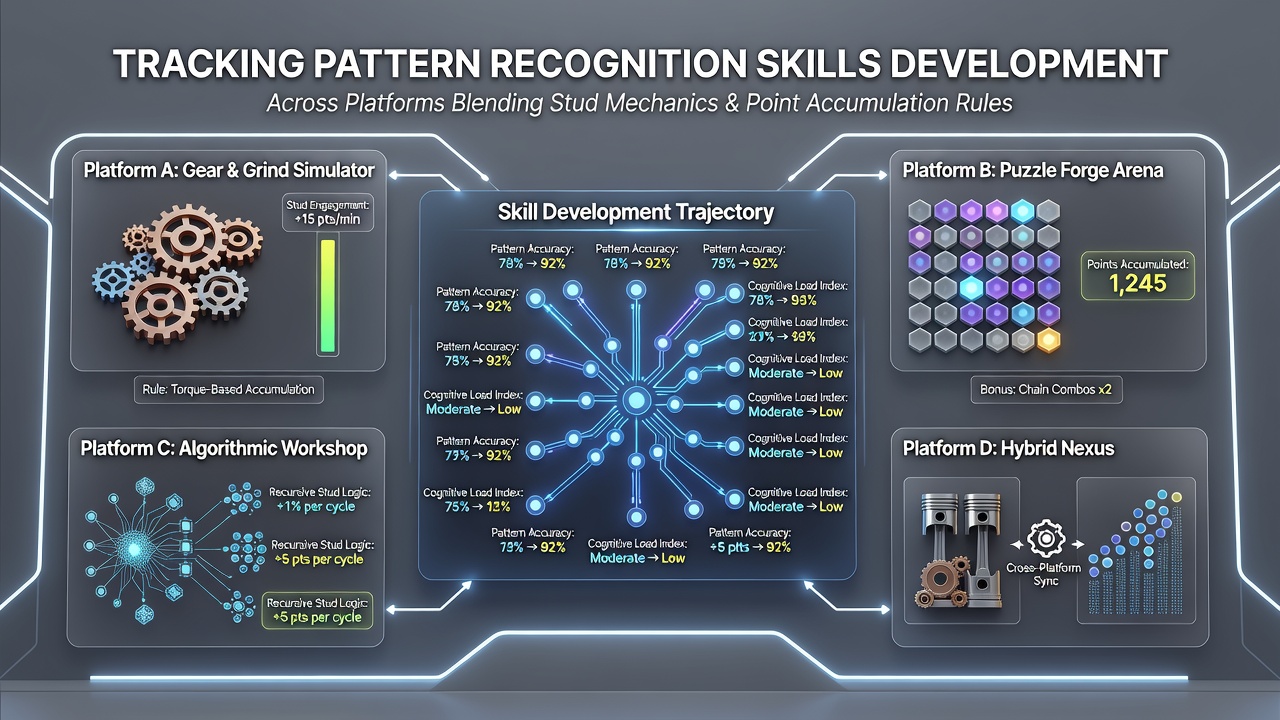
Platforms that combine elements of stud poker mechanics with point accumulation rules create environments where players must identify recurring sequences while managing cumulative scoring systems and observers note that tracking skill development in these settings requires specialized metrics that capture both recognition accuracy and strategic adaptation over extended sessions.
Researchers at various institutions have documented how these hybrid systems demand simultaneous attention to card ordering patterns typical in stud formats alongside numerical thresholds that determine point rewards and data from multiple operators shows participants improve recognition speed when interfaces provide visual feedback on sequence matches after each round.
Core Mechanics and Skill Components
Stud-based elements typically involve progressive revelation of cards where early decisions influence later pattern viability while point rules layer additional variables such as multiplier bonuses for consecutive matches and studies indicate that effective players develop mental models linking specific card clusters to optimal point pathways rather than treating each decision in isolation.
Pattern recognition in this context extends beyond simple card identification to encompass timing of point thresholds and position relative to other participants and figures from operator logs reveal that consistent performers adjust their focus as point totals near critical levels such as bonus triggers or penalty zones.
Tracking Methods Across Digital Platforms
Digital platforms employ algorithms that log recognition events by timestamp and outcome allowing longitudinal analysis of improvement rates and one approach used by several providers records the interval between card reveal and player action as a proxy for recognition efficiency while correlating these intervals with point totals achieved in the same hand.
Cross-platform comparisons become possible when standardized metrics are applied and reports compiled in mid-2026 highlight how July updates to certain systems introduced unified dashboards that aggregate data from both mobile and desktop sessions enabling users to view progression curves for recognition accuracy alongside point efficiency scores.
Platform Variations and Data Patterns
Different implementations vary in the weighting given to stud sequences versus point milestones and some emphasize hidden card probabilities while others prioritize visible accumulation goals yet aggregated statistics indicate that players who balance both aspects maintain steadier improvement trajectories over months of play.
Academic analyses have examined how interface design influences these trajectories with one study noting reduced error rates when platforms highlight emerging patterns through subtle visual cues and another found that point display prominence correlates with faster adaptation to rule changes introduced mid-session.
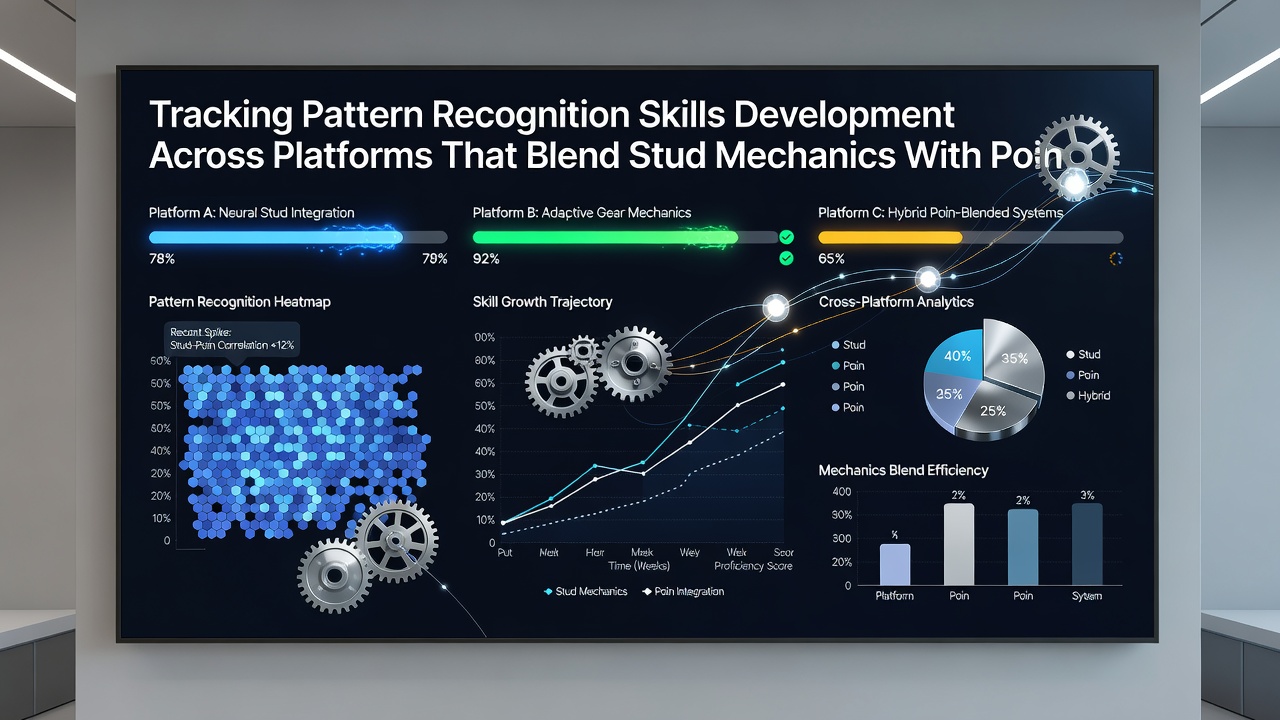
Regulatory bodies in several jurisdictions have begun requesting anonymized skill tracking summaries from operators as part of compliance reviews and the Nevada Gaming Control Board along with counterparts in other regions have referenced such data when evaluating game fairness and player protection standards.
Longitudinal Development Indicators
Long-term tracking reveals distinct phases where initial gains stem from basic sequence identification and later stages involve integration with point optimization strategies and platform records demonstrate that plateaus often occur when players fail to adjust recognition priorities as game rules evolve.
Industry associations such as the Canadian Gaming Association have published guidelines encouraging transparent reporting of skill metrics and these documents emphasize the value of comparative data across different hybrid formats to identify transferable recognition skills.
Conclusion
Effective monitoring of pattern recognition development in stud-point hybrid platforms relies on integrated logging systems that capture both temporal and outcome-based measures and continued refinement of these tools supports clearer understanding of how players progress across varied implementations.