Position-Based Range Construction in Niche Poker Variants at Land-Based Casinos
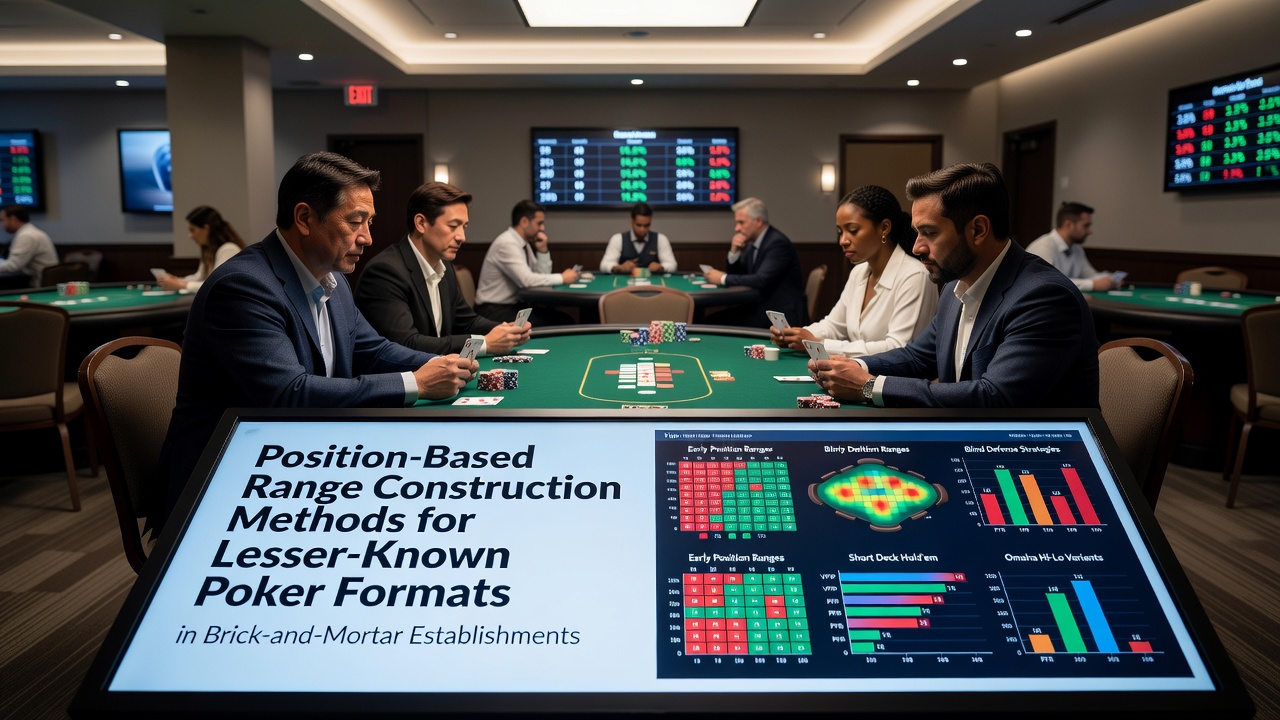
Position dictates range construction across many poker formats, yet the principles shift when players move beyond hold'em into variants such as Badugi, Big O, and Pineapple, all of which appear regularly on the schedules of licensed cardrooms. Observers note that seating order still controls information flow, yet the specific hand values and drawing mechanics require adjusted frameworks that account for multiple betting rounds and unique showdown rules.
Data from regulated venues shows that participants who adapt their ranges according to position maintain tighter opening standards from early seats in draw-heavy games, while those in later positions expand selections to include speculative combinations that realize equity through position. Research indicates these adjustments become especially relevant in formats where the best low hand or the strongest two-card combination can determine the winner, creating layered decision trees that reward precise range definition.
Core Principles of Position in Draw and Mixed Formats
Position functions as an information advantage because later actors see opponents' actions before committing chips, and this dynamic intensifies in games featuring discard rounds or multiple betting streets. In Badugi, for instance, players construct ranges that prioritize smooth low holdings from the button, whereas early-position ranges narrow to premium three-card structures that survive potential raises. Studies of casino play reveal that position-based range tightening reduces exposure to reverse implied odds when draws miss and opponents hold hidden strength.
Big O, which combines Omaha and lowball elements, demands even stricter positional discipline because the same hand often contests both high and low pots. Those who've tracked results at established venues report that late-position ranges incorporate more wheel-making combinations and suited connectors, while early seats restrict action to nutted holdings that dominate multiple ways. The reality is that failing to adjust ranges by seat leads to frequent domination in multi-way pots, a pattern confirmed across several state-licensed properties.
Application in Pineapple and Other Split-Pot Games
Pineapple variants introduce an extra hole card that players discard after the flop, which alters range construction because position influences the timing of that discard decision. Later seats allow players to observe flop texture before committing to a holding, so ranges widen to include hands with backdoor potential that early-position participants fold. Figures from cardroom operations demonstrate that positional range expansion in these games correlates with higher expected value when the extra card provides additional outs.
Similar patterns emerge in less common formats such as Razz and stud variants still offered at select brick-and-mortar locations. Position here dictates whether a player continues with a marginal door card or folds to preserve chips for better starting situations. According to records maintained by the Nevada Gaming Control Board, mixed-game spreads have grown in several properties, prompting dealers and floor staff to accommodate players who request position-specific strategy discussions during slower hours.
Adjusting Ranges for Live Casino Dynamics
Live environments introduce physical tells, bet sizing patterns, and table composition factors that interact with positional range construction. Players in later seats often widen ranges further when the table includes recreational participants who enter pots loosely, yet they tighten when facing regulars who defend blinds aggressively. Data collected through player tracking systems at major establishments indicates that range adjustments based on observed tendencies produce measurable improvements in hourly results over extended sessions.
June 2026 has seen continued adaptation in several cardrooms as new scheduling practices affect player pools, with some venues reporting shifts in the frequency of mixed-game offerings. Those monitoring these trends note that position-based range construction remains a consistent differentiator between participants who navigate these formats profitably and those who rely on generic strategies transplanted from hold'em.
Practical Implementation Steps
Effective range construction begins with identifying the key hand categories that perform well in each seat, then layering in adjustments for stack depths and opponent profiles. Early-position ranges typically exclude marginal draws that require multiple streets of value, while button ranges incorporate more speculative combinations that realize equity through aggressive post-draw betting. Industry reports from the Australian Gaming Council highlight similar positional considerations in licensed poker rooms across that region, underscoring the universal nature of these principles.
Players often build reference charts that list opening frequencies by position for each variant, then refine those charts through session reviews that account for actual outcomes. This iterative process allows ranges to evolve alongside changing table dynamics without relying on static memorization.
Conclusion
Position-based range construction in lesser-known poker formats follows consistent logic that rewards observation and disciplined adjustment. Licensed establishments continue to offer these games because they attract dedicated participants who value strategic depth, and records show that positional awareness remains central to long-term results across multiple variants and jurisdictions.